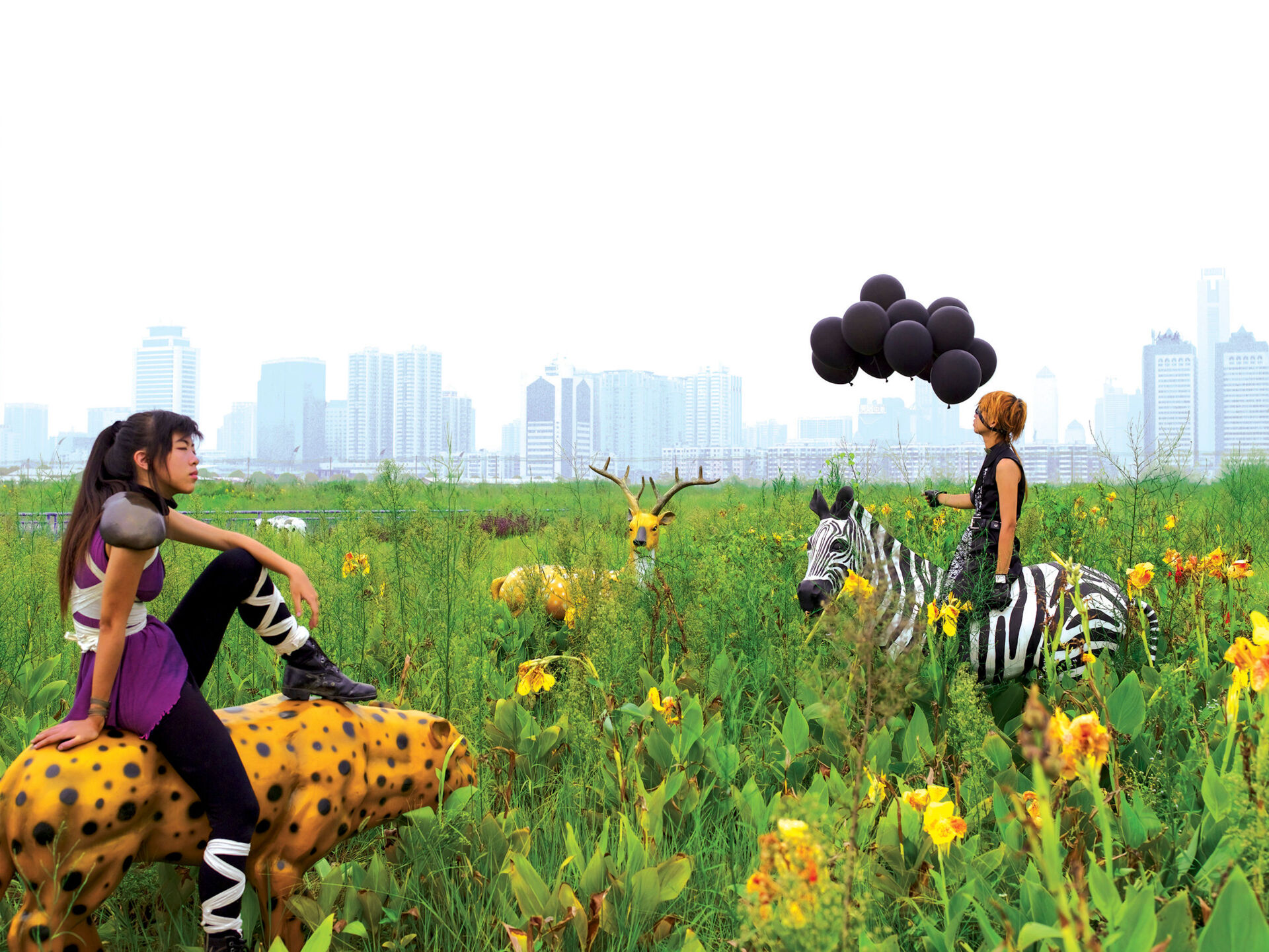
Program Day: “Worlds Yet to Come” in association with the exhibition Cao Fei. Testimonies to the Near Future
Program of talks, readings, discussions and performances
Date: Saturday, September 26, 2026, 12 – 7 p.m.
Location: Kunstmuseum Basel | Gegenwart, Studio Gegenwart
Participation free of charge, ticket required via ticket link
Events in German and English
The Program Day "Worlds Yet to Come" at the Kunstmuseum Basel takes place as part of Cao Fei’s exhibition and explores visions of the future, experimental storytelling, and science fiction from China. The focus is on the intersection of art, literature, and science, as well as the question of how the future is culturally imagined.
The day brings together international guests from art and culture who engage with new technologies, media art, and digital spaces such as virtual reality, game engines, and the metaverse. The starting point is the idea that science fiction is not merely a genre, but a central medium for reflecting on the present and the future. Current publications such as Kapsel Magazine and Cao Fei’s artist book will also be featured. Another focus is the discussion of “Asianess” in art: Three international guests will reflect on different perspectives on contemporary Asian art and its complexity. The AFSAR collective will present a lecture perfomance on the concept of “gossip” in a networked, technology-driven world. The event will conclude with the exclusive premiere of the documentary film Mending the Sky by Cao Dan and Ye Ying.
Overall, the Program Day explores whether narrative and speculative forms of storytelling can help us navigate a present shaped by multiple crises.At the same time, it takes a critical look at how the future and Asia are often intertwined in Western discourse.
Program
Introduction to the Program Day with Daniel Kurjaković (Program Curator, welcome remarks), Stephanie Seidel (Curator and Head of Contemporary Art), and Nora Wölfing (art historian and sinologist)
The first item on the program offers an introduction to the exhibition Testimonies to the Near Future by artist Cao Fei. The presentation will cover key themes of the exhibition as well as selected works in which Cao Fei uses speculative and, at times, surreal imagery to explore the impact of social and technological changes on human life.
Time: 12 a.m. – 12:45 p.m.
Location: Kunstmuseum Basel | Gegenwart, Studio Gegenwart
Participation free of charge, ticket required via ticket link
In German
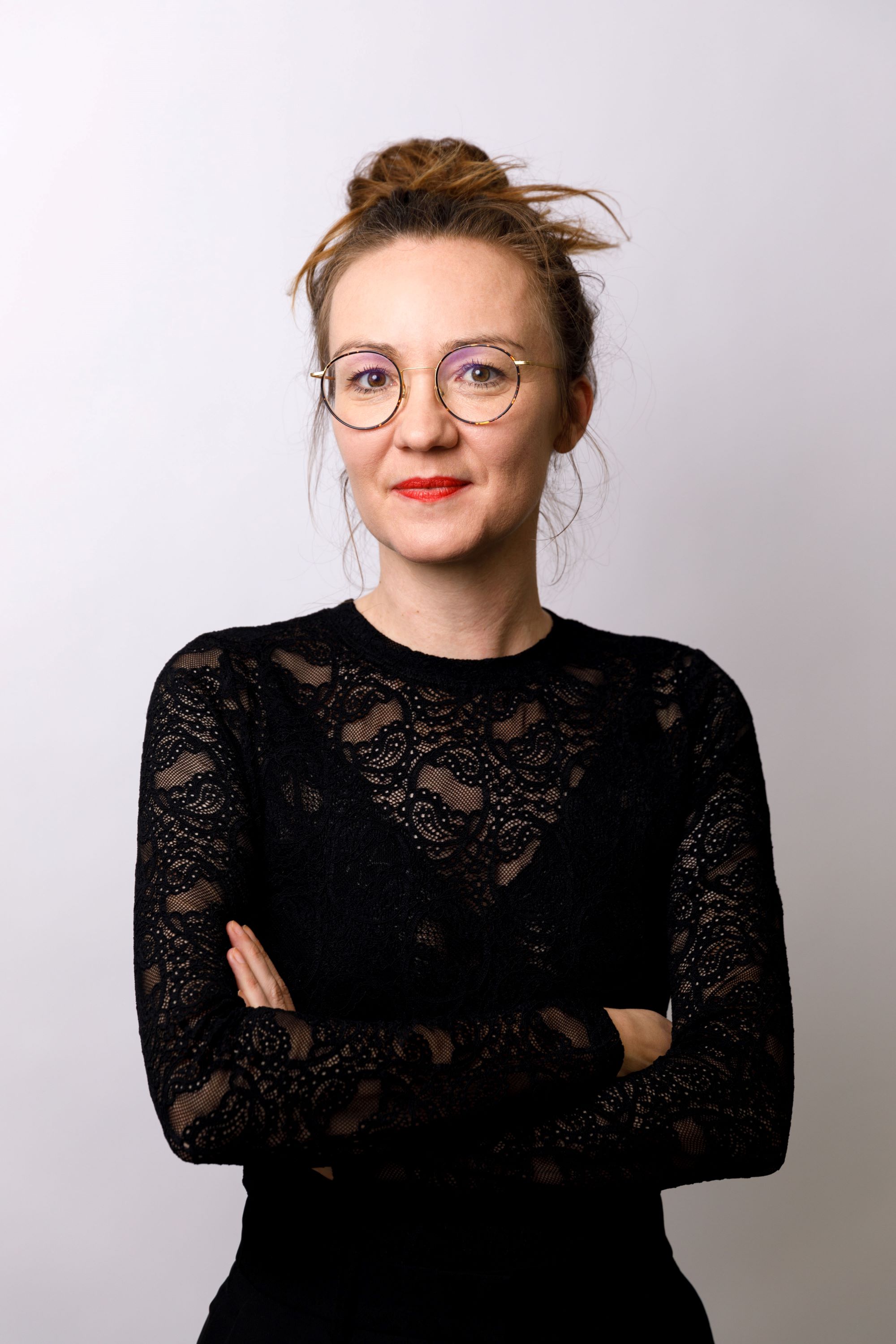
Photo: Lukas Pürmayr
Nora Wölfing is an art historian and sinologist. She works as a researcher, curator, and journalist, specializing in contemporary art. She is currently writing her dissertation at Freie Universität Berlin and is an affiliated researcher with the East Asian Futures research group at Ruhr University Bochum. Since 2021, she has been an active member of the Research Network for Modern and Contemporary Chinese Art. Her research focuses on narrative structures in contemporary media art, immersive exhibitions, and non-linear temporalities. In addition to presenting at academic conferences, Nora writes regularly for publications such as Yishu Journal for Contemporary Chinese Art, ArtAsiaPacific, and CURA Magazine. Alongside her academic and journalistic work, Nora curates exhibitions and moderates events.
A Look at the Magazine Kapsel and Cao Fei’s New Artist Book
Chinese science fiction has gained international recognition, at least since the success of Liu Cixin, but in German-speaking countries it often reaches its audience through English translations. Kapsel magazine addresses this gap by translating texts directly from Chinese, in close collaboration with the authors.
Each issue brings together bilingual (Chinese/German) short stories, essays, and illustrations, offering direct access to contemporary Chinese science fiction. During the event, founder Lukas Dubro will introduce the magazine. In conversation with Alice Wilke and Regina Kanyu Wang, Cao Fei’s artist book “Testimonies to the Near Future” will also be presented.
Time: 1 p.m. – 1.45 p.m.
Location: Kunstmuseum Basel | Gegenwart, Studio Gegenwart
Participation free of charge, ticket required via ticket link
In German and English
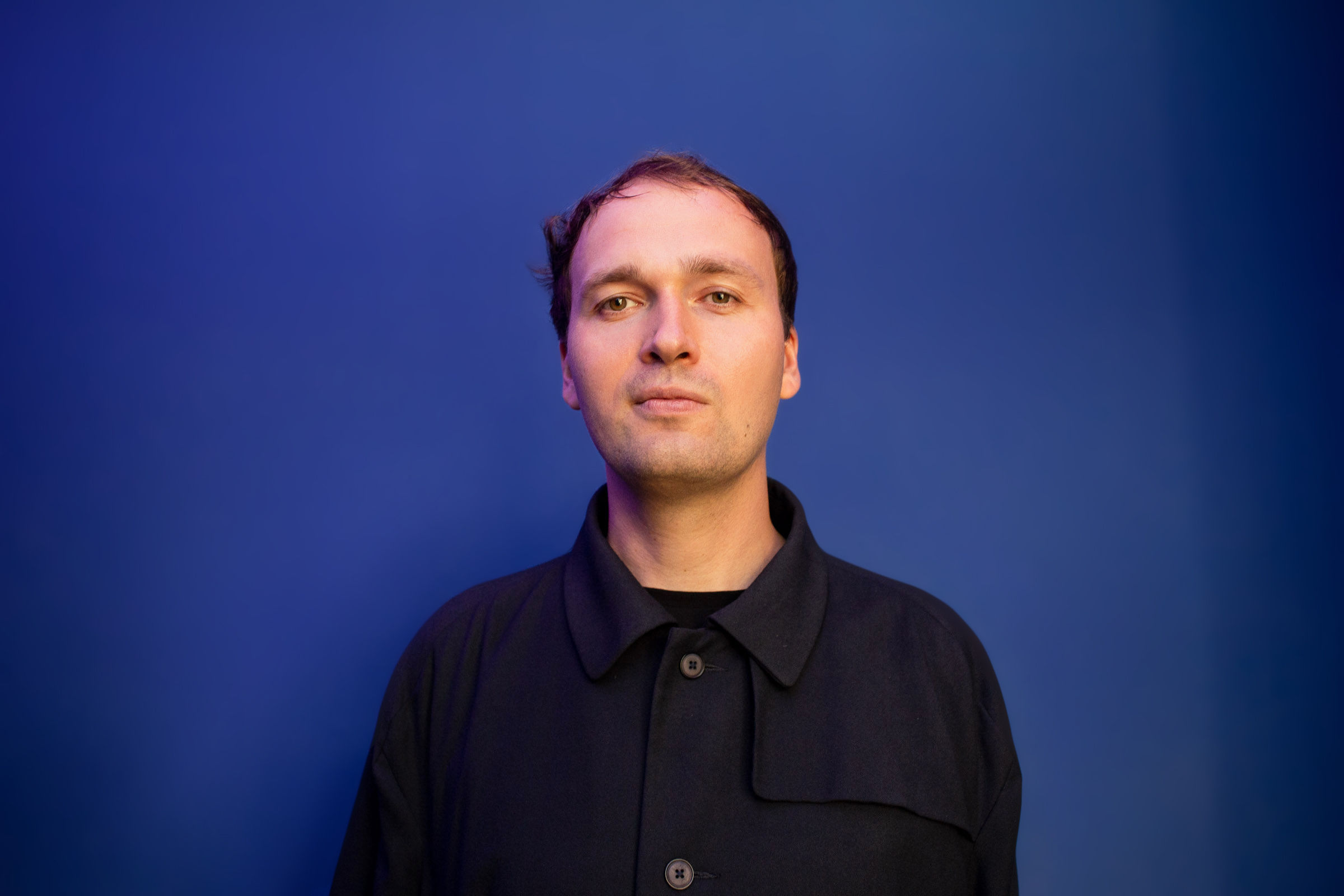
Photo: Yanina Isla
Lukas Dubro is a journalist and literary scholar based in Paris. He earned his master’s degree in Applied Literary Studies from Freie Universität. In 2017, he launched the magazine Kapsel, and in 2012, the fanzine Cartouche, which focuses on Berlin pop culture. From 2015 to 2022, he was responsible for public relations at the Acud Macht Neu initiative and oversaw its literary series. Since early 2018, he has worked as a freelancer for the German Press Agency (DPA), and since late 2021 for the Redaktionsnetzwerk Deutschland. He has written for publications including taz and Spex.
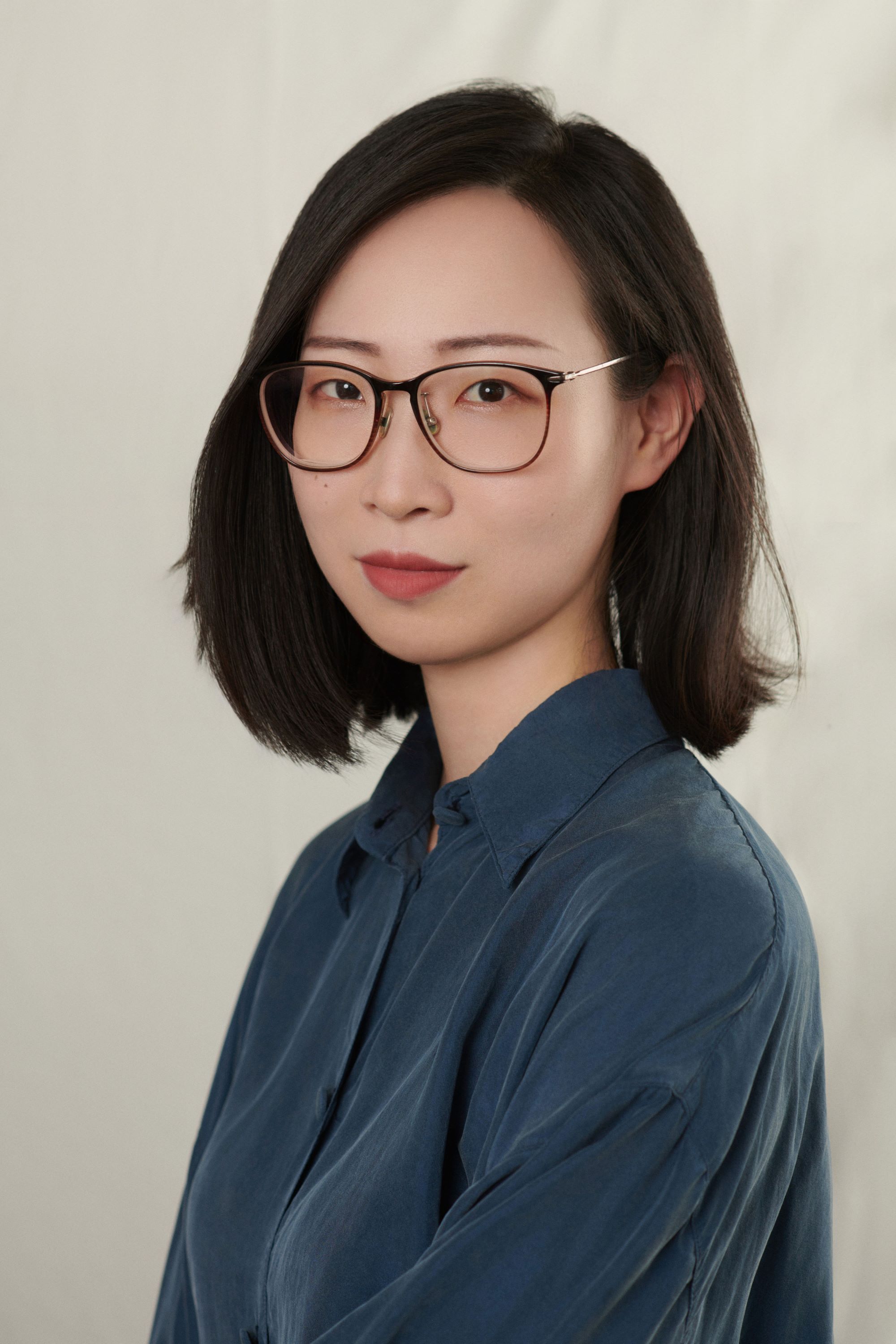
Photo: Privatbesitz
Regina Kanyu Wang is a multi-award-winning author, researcher, and editor who divides her time between Shanghai and Oslo. She holds a Ph.D. in Cultural Studies, a Master of Fine Arts in Creative Writing, and a Bachelor’s degree in Business Administration. She writes science fiction, nonfiction, and academic essays in both Chinese and English. She has published two collections of short stories in Chinese, a novella in Italian, and an anthology in German. Her stories have appeared in various magazines and anthologies in over ten languages. She has also co-edited The Way Spring Arrives and Other Stories, New Voices in Chinese Science Fiction, and The Routledge Handbook of The Wandering Earth. She is a recipient of the Chinese Nebula Award and the SF Planet Award, and a finalist for the Hugo Award and the Locus Award.
Her research focuses on Chinese science fiction, artificial intelligence, the creative and innovation economy, gender studies, and environmental humanities
Online Panel: Narrating Futures – Media Art, China, and the Imagination of the Future with Dawn Chan (journalist and critic), Iris Long (curator and author), Nora Wölfing (moderator) und Gary Zhexi Zhang (author and curator)
The panel brings together three international practitioners to discuss narratives of the future, media art, and evolving forms of futurism. The focus is on how visions of the future emerge, circulate, and are shaped by culture. In this context, terms such as “Sinofuturism,” “Asianness,” and “Chineseness” will be critically examined, as they are often associated with techno-utopian, or dystopian images.
A central theme is the role of artists from China and Sinophone contexts in shaping perceptions of Asia in the West. Media art serves as an important field for questioning such notions and developing new perspectives. The panel opens a discussion on artistic strategies as well as the political and aesthetic dimensions of future narratives advocating for more diverse, nuanced perspectives on “China.”
Time: 2 p.m. – 3 p.m.
Location: Kunstmuseum Basel | Gegenwart, Studio Gegenwart
The panel will take place in person, with guests joining online.
Participation free of charge, ticket required via ticket link
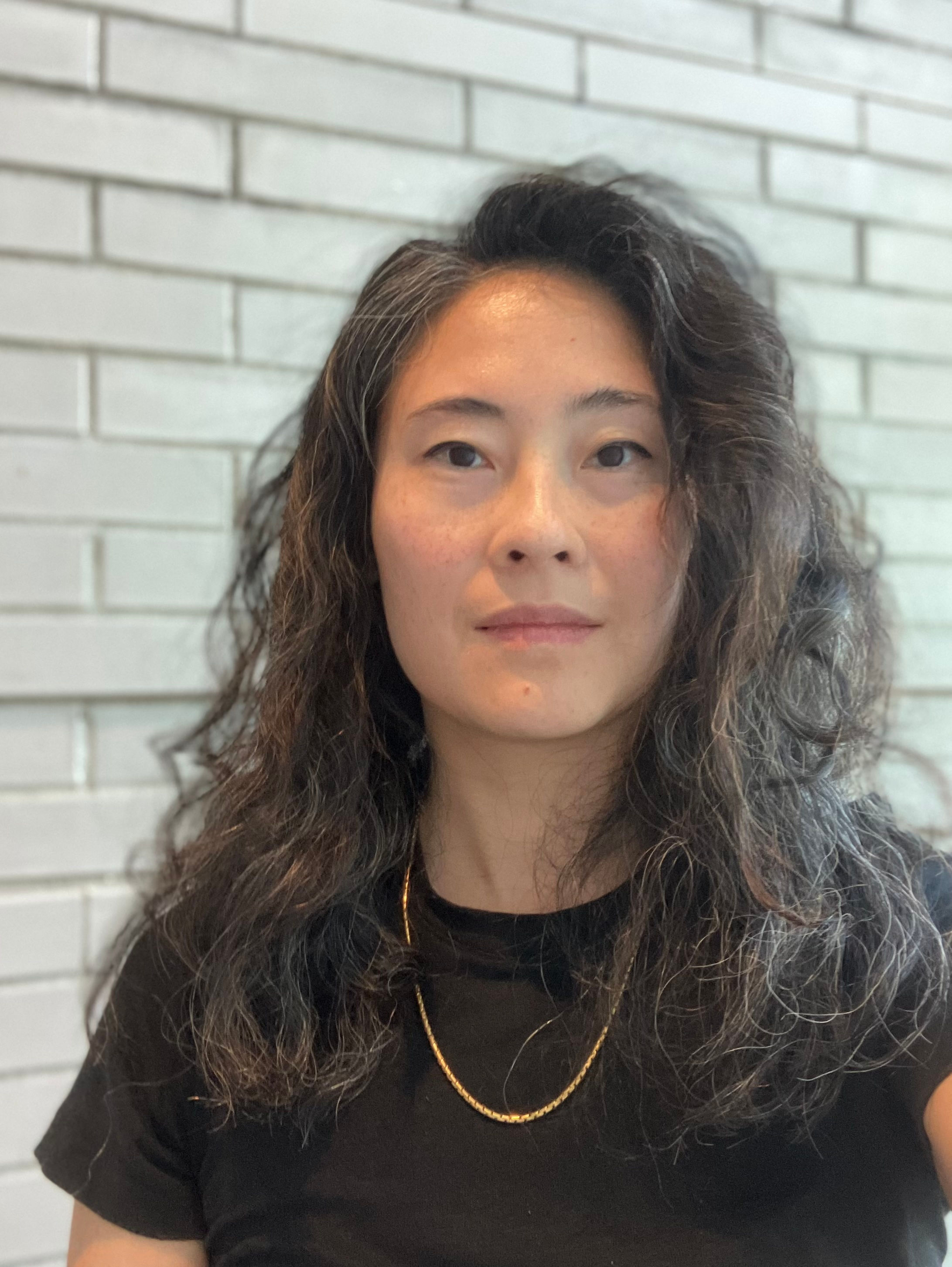
Photo: Private Collection
As a cultural critic and writer, Dawn Chan has been a regular contributor to The New York Times. She has also published in ArtReview, The Atlantic, The New Yorker, The New York Review of Books, The Paris Review, and Spike Art Magazine; her essays have been included in the anthologies Intersubjectivities vol. IV (Sternberg Press), Spectral Futures (Bloomsbury), and Science Fiction (MIT Press). Chan, formerly a visiting scholar at New York University’s Center for Experimental Humanities, is currently a lecturer at CCS Bard. She has been awarded the Warhol Arts Writers Grant and the Thoma Foundation Arts Writing Award.
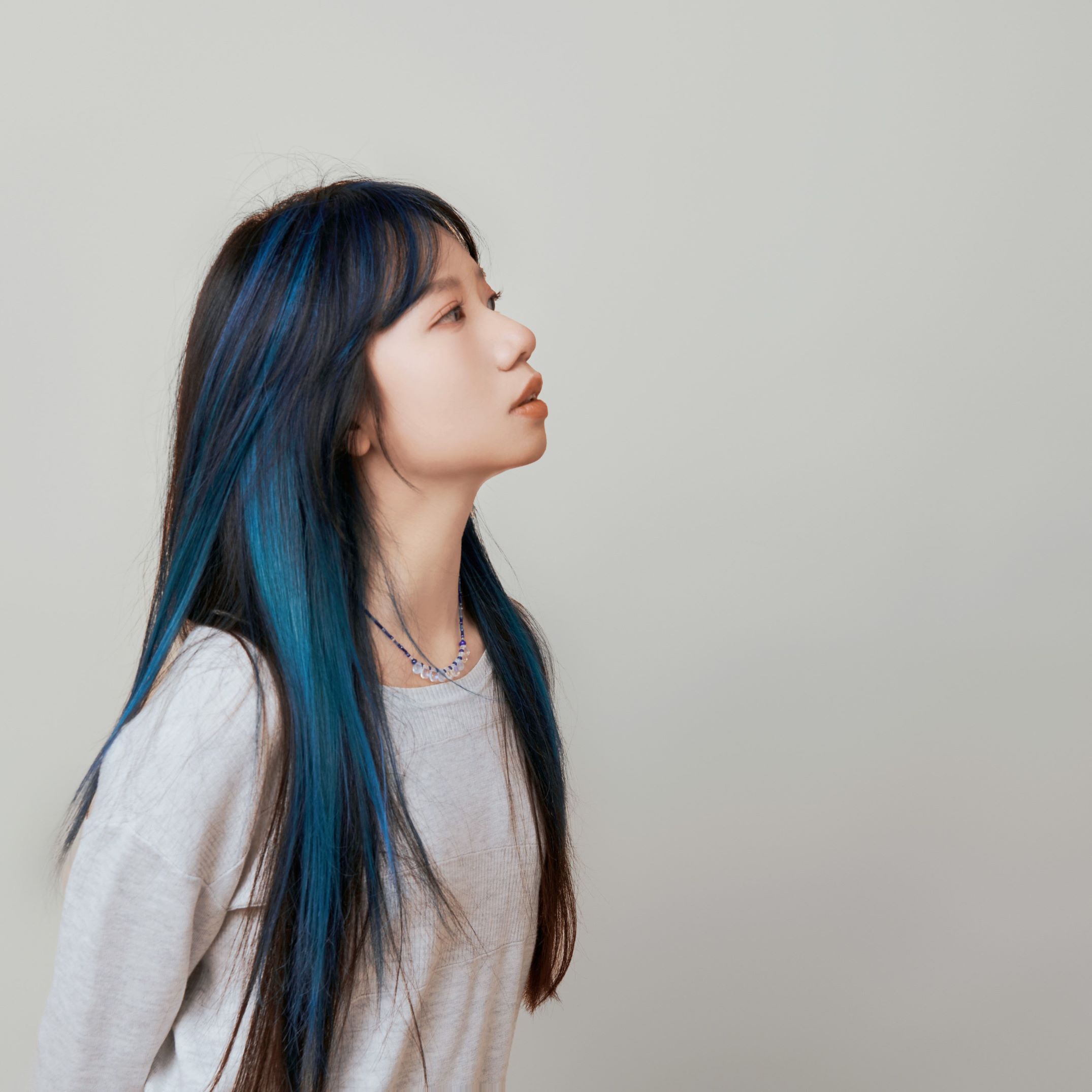
Photo: Private Collection
Iris Long is an author and curator. In her work, she explores the intersections of art, science, and technology in China, with a focus on technoscience and its cultural and spatial implications. She leads the exhibition and research team at the JD Museum and has curated numerous exhibitions on art and technology, including projects for major institutions and biennials.
She is a Berggruen Fellow for the 2022–2023 term and a Fellow of the Royal Astronomical Society. Her research has been presented internationally at institutions such as the Warburg Institute and the ZKM Center for Art and Media.
In addition to her curatorial work, she teaches at Central Saint Martins and initiated China’s first artist-in-residence program focusing on astronomy and astrophysics at the Institute of Astronomy at Tsinghua University. She also founded Port: Under the Cloud, a long-term research project on China’s technological infrastructures.
Photo: Lukas Pürmayr
Nora Wölfing is an art historian and sinologist. She works as a researcher, curator, and journalist, specializing in contemporary art. She is currently writing her dissertation at Freie Universität Berlin and is an affiliated researcher with the East Asian Futures research group at Ruhr University Bochum. Since 2021, she has been an active member of the Research Network for Modern and Contemporary Chinese Art. Her research focuses on narrative structures in contemporary media art, immersive exhibitions, and non-linear temporalities. In addition to presenting at academic conferences, Nora writes regularly for publications such as Yishu Journal for Contemporary Chinese Art, ArtAsiaPacific, and CURA Magazine. Alongside her academic and journalistic work, Nora curates exhibitions and moderates events.
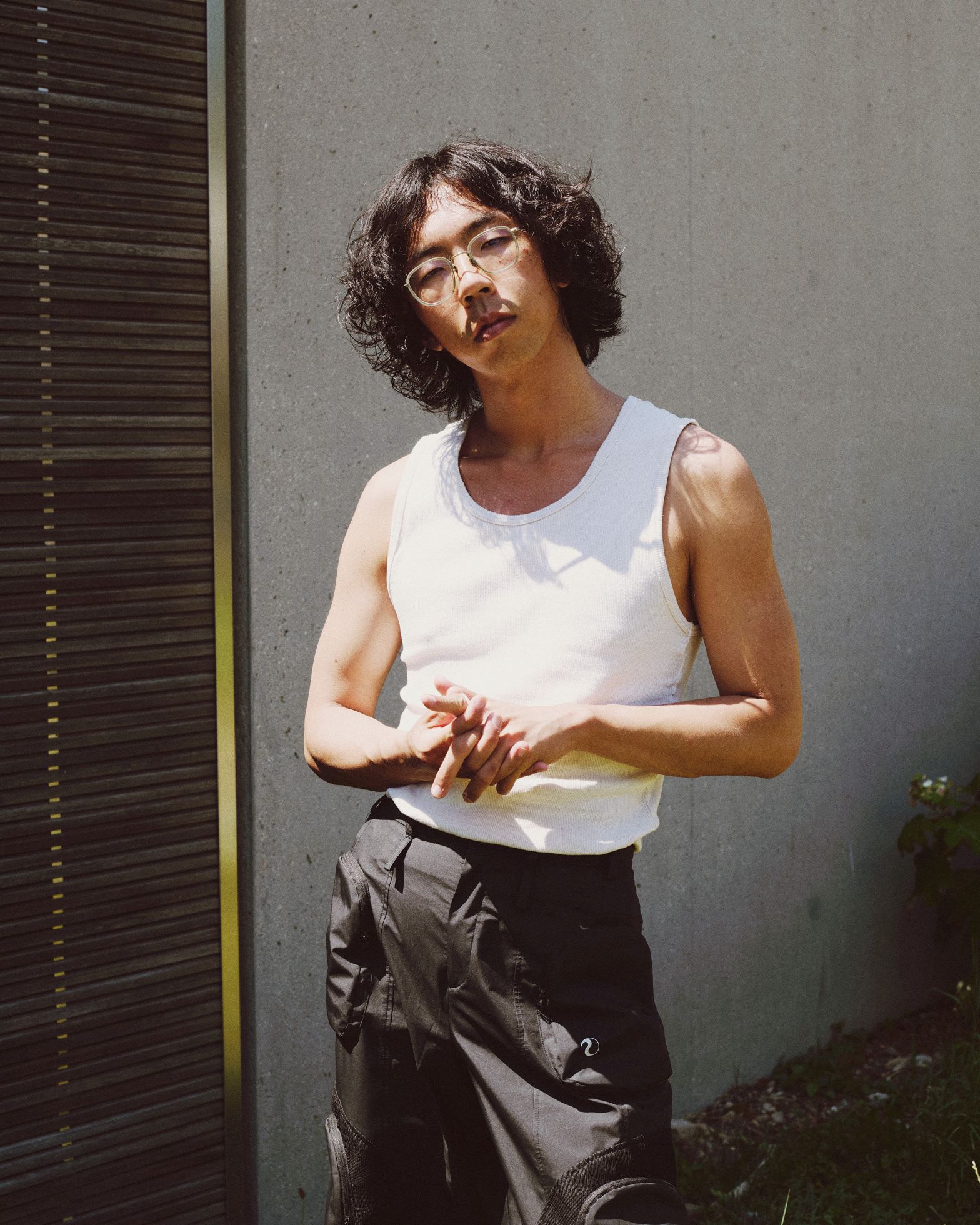
Photo: Matthieu Crozier
Gary Zhexi Zhang’s work explores systemic connections between cosmology, technology, and economics. He works both independently and in collaboration with others, as well as within organizational frameworks. In 2023 he edited an anthology of stories, essays, and interviews on the themes of finance and time: Catastrophe Time! (Strange Attractor Press). Dead Cat Bounce, the opera he created in collaboration with Waste Paper Opera, premiered at Somerset House in 2022 and went on tour in 2024. His projects explore the emergence and mediation of geopolitical imaginaries, particularly through forms of arbitrage across time, cultural, and technical systems.
Reading Performance with AFSAR: “Godsibb in the Machine – Gossiping as Epistemic Agency” with Yedam Ann (artist) and Jane Hwang (artist)
AFSAR (Asian Feminist Studio for Art and Research) is a loose collective of artists, curators, and scholars engaged with feminism, technology, and the circulation of knowledge. In their performative lecture, Yedam Ann and Jane Hwang explore gossip as more than mere misinformation: namely, as a social mechanism capable of reclaiming interpretive authority.
Drawing on the historical significance of “godsibb” as a form of communal analysis, they view gossip as a democratic tool. In an era of opaque technologies and “black-box” systems, they interpret rumors and conspiracy narratives about technology as attempts to “socialize” it and make it understandable. The performance asks whether gossip about technology constitutes a form of epistemic resistance and collective meaning-making.
Time: 3:30 – 4:30 p.m.
Location: Kunstmuseum Basel | Gegenwart, Studio Gegenwart
Participation free of charge, ticket required via ticket link
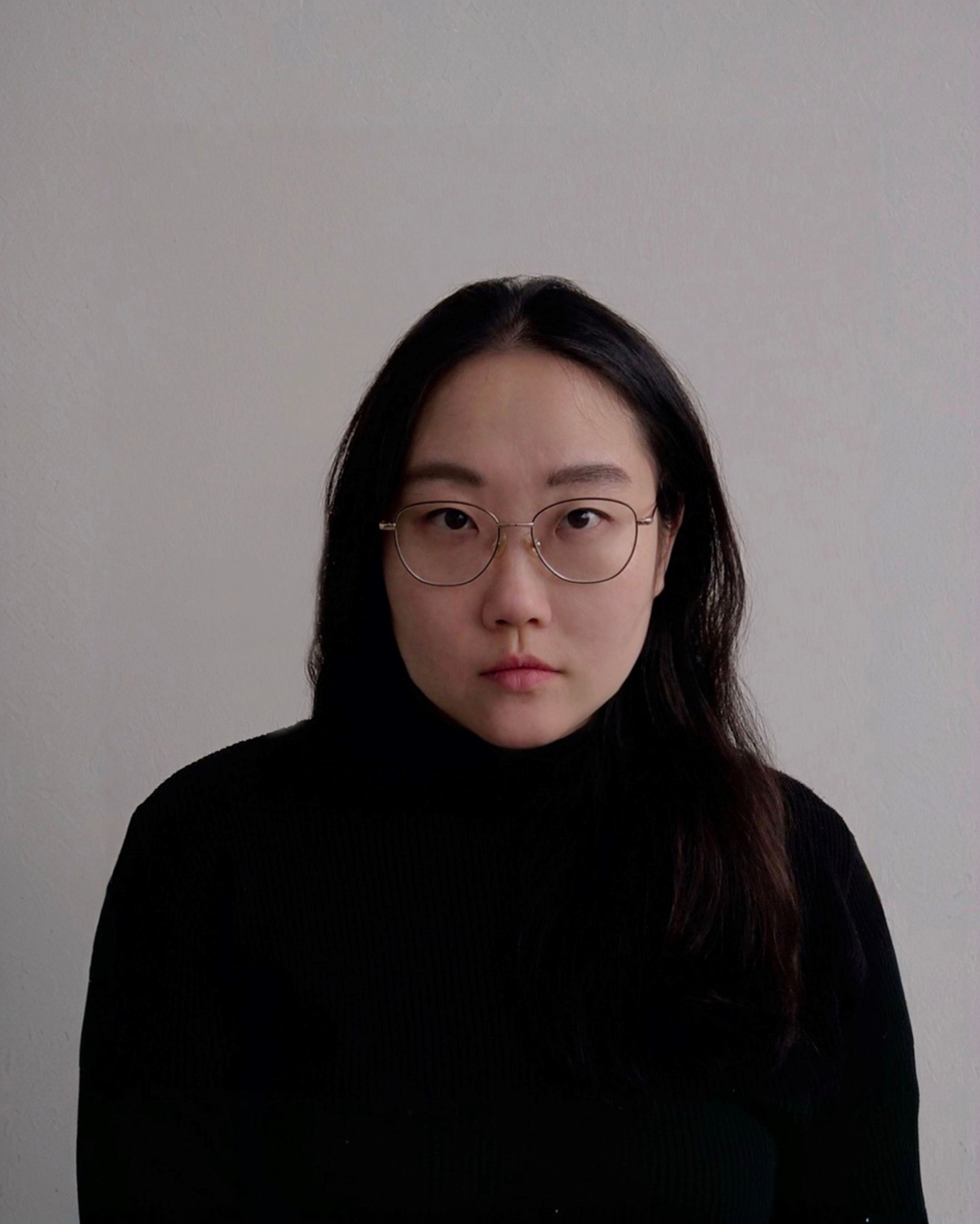
Photo: Private Collection
Yedam Ann (born 1992 in Seoul, Republic of Korea) is a multidisciplinary artist who explores the tensions between infrastructure and human movement from the perspective of a digital diaspora. In her work, she examines how speculative architecture and systemic design give rise to structural anxieties and exclusion. By creating spaces that mimic functional logic while subtly subverting it, Ann exposes the absurdities of contemporary labor and social systems. Using language and distorted structures as her tools, she reimagines neutralized landscapes and transforms disorientation into a site of poetic exploration.
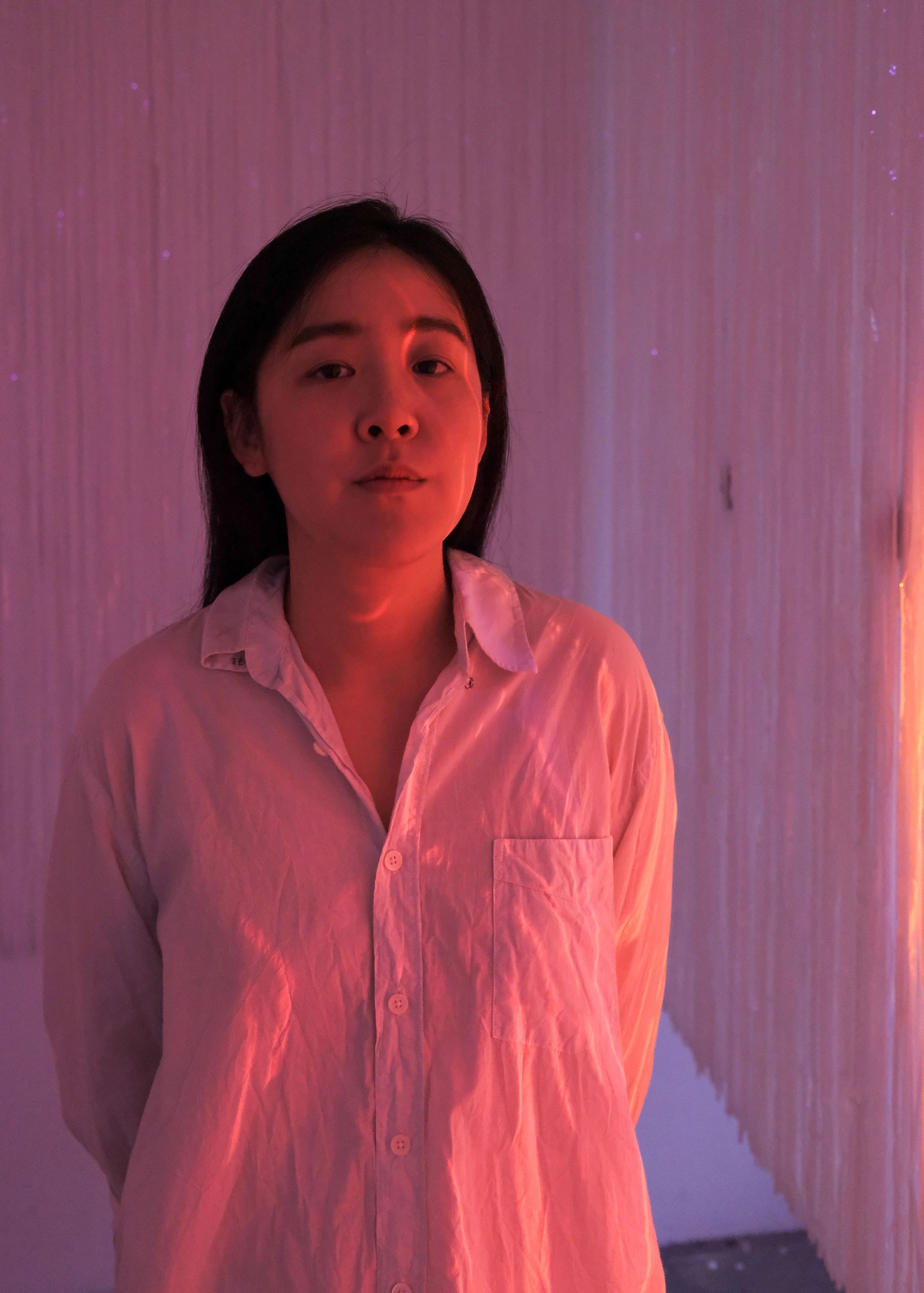
Photo: Michał Majewski
Jane Hwang (born 1986 in Urbana, USA) is a multimedia artist based in Berlin. Through her research-based practice, she brings the relics of others—which drift in the layers of non-experience—back into the present physical and sensory experience. In tune with the hum of the archive, Hwang explores the gaps and absences within narratives as a state of posthumous exile. Her work engages with oral tradition, rituals, and historical documentation, expressing their resonance through film, text, and audiovisual installations.
Film Screening: Mending the Sky, with Cao Dan (Director)
Mending the Sky traces the lives and careers of Chinese female artists across several generations. Based on interviews with over 20 artists, curators, and scholars, as well as artwork and archival material, the documentary traces key historical milestones—from the early 1990s in Beijing, when female painters organized their first solo exhibitions, to 1998, when female artists of Chinese origin exhibited together for the first time in Europe, in Bonn.
The film also turns its gaze to the present and explores the potential of art to overcome the fractures of an era shaped by development-oriented thinking through the boundary-crossing practices of a new generation. With its feminist perspective, Mending the Sky occupies a unique position in Chinese documentary filmmaking.
The screening will be followed by a brief Q&A with Cao Dan and Stephanie Seidel.
Time: 5 p.m. – 6:45 p.m.
Location: Kunstmuseum Basel | Gegenwart, Studio Gegenwart
Participation free of charge, ticket required via ticket link
In Chinese with English subtitles
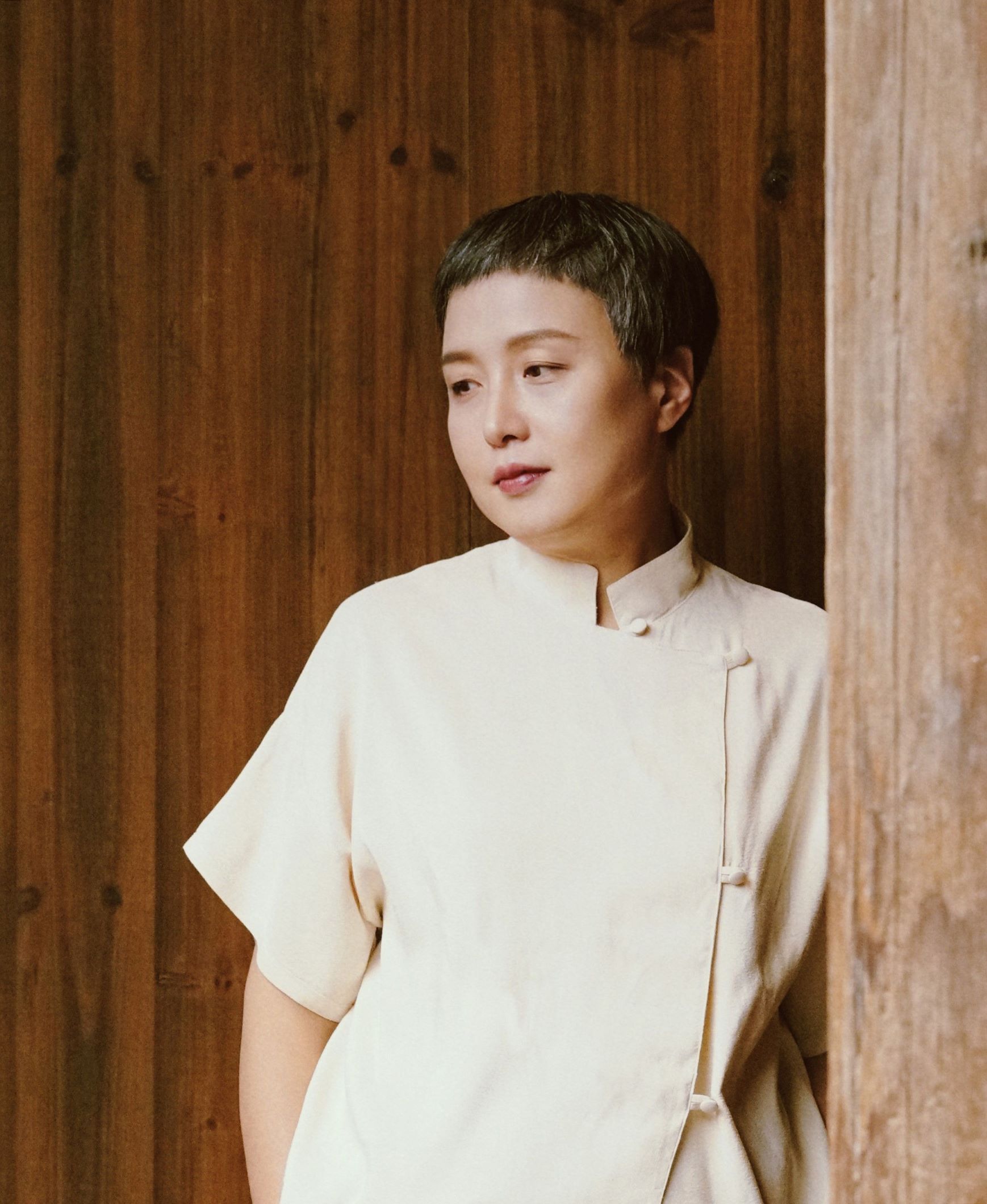
Foto: Sam Lee
Cao Dan is an art journalist, curator, and documentary filmmaker. From 1998 to 2012, she lived and worked in Paris in art, design, and documentary film. She was the publisher of the renowned art magazines LEAP and The Art Newspaper China. In 2018, she founded ARTEMISIA, a platform for interdisciplinary collaborations between art, design, crafts, and technology, with the aim of fostering dialogue between the art world, the public, and the business community. Since 2019, she has served as president of Meta Media’s art platform and as publisher of The Art Journal China, the Chinese edition of ArtReview, LEAP, and Collection/Auction.